Footprints to Recovery New Jersey Hamilton Township
This page explains what Footprints to Recovery New Jersey in Hamilton Township offers. The center is one of 330 facilities listed by SAMHSA across New Jersey. Read on for programs, therapies, payment, and questions to raise before you call.
Joint CommissionOutpatientCo-Occurring Mental Health5 days
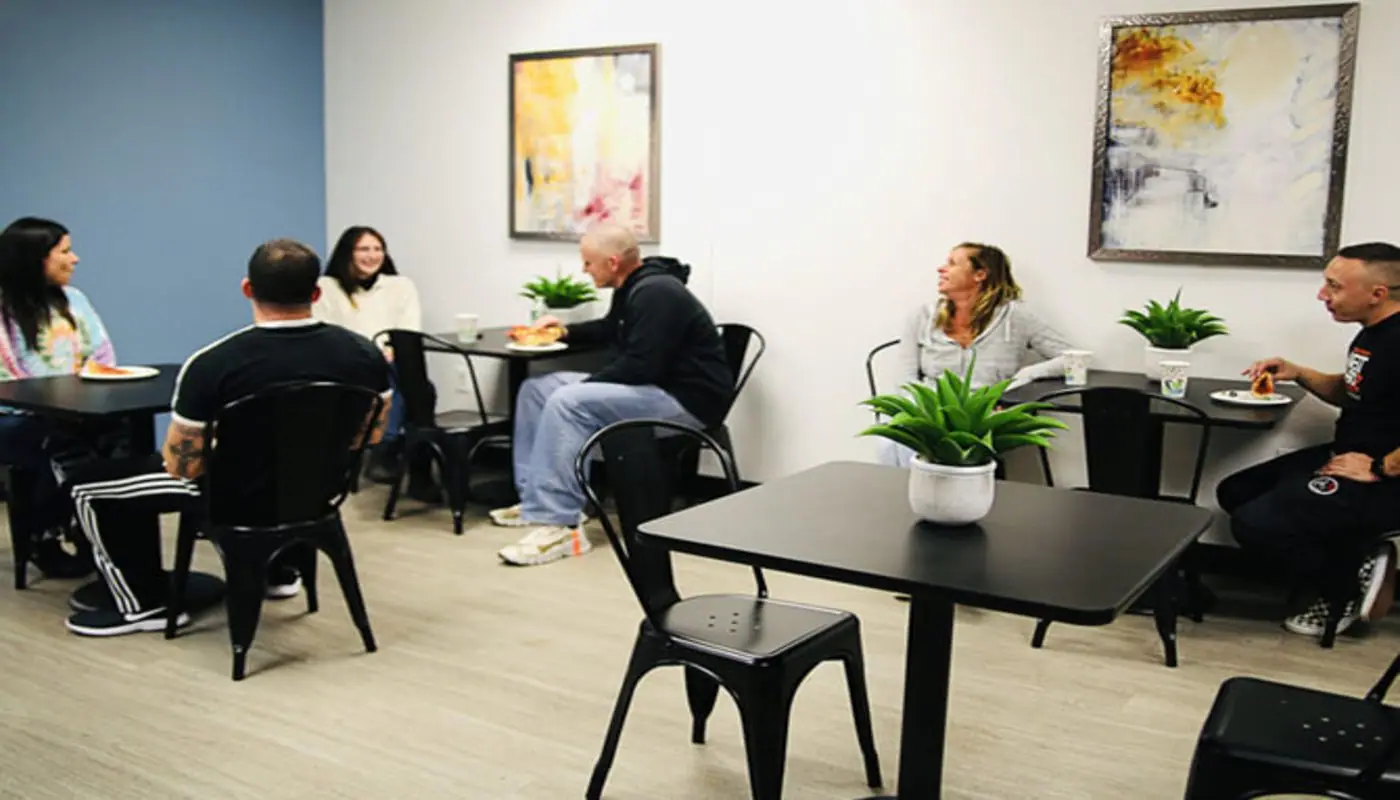
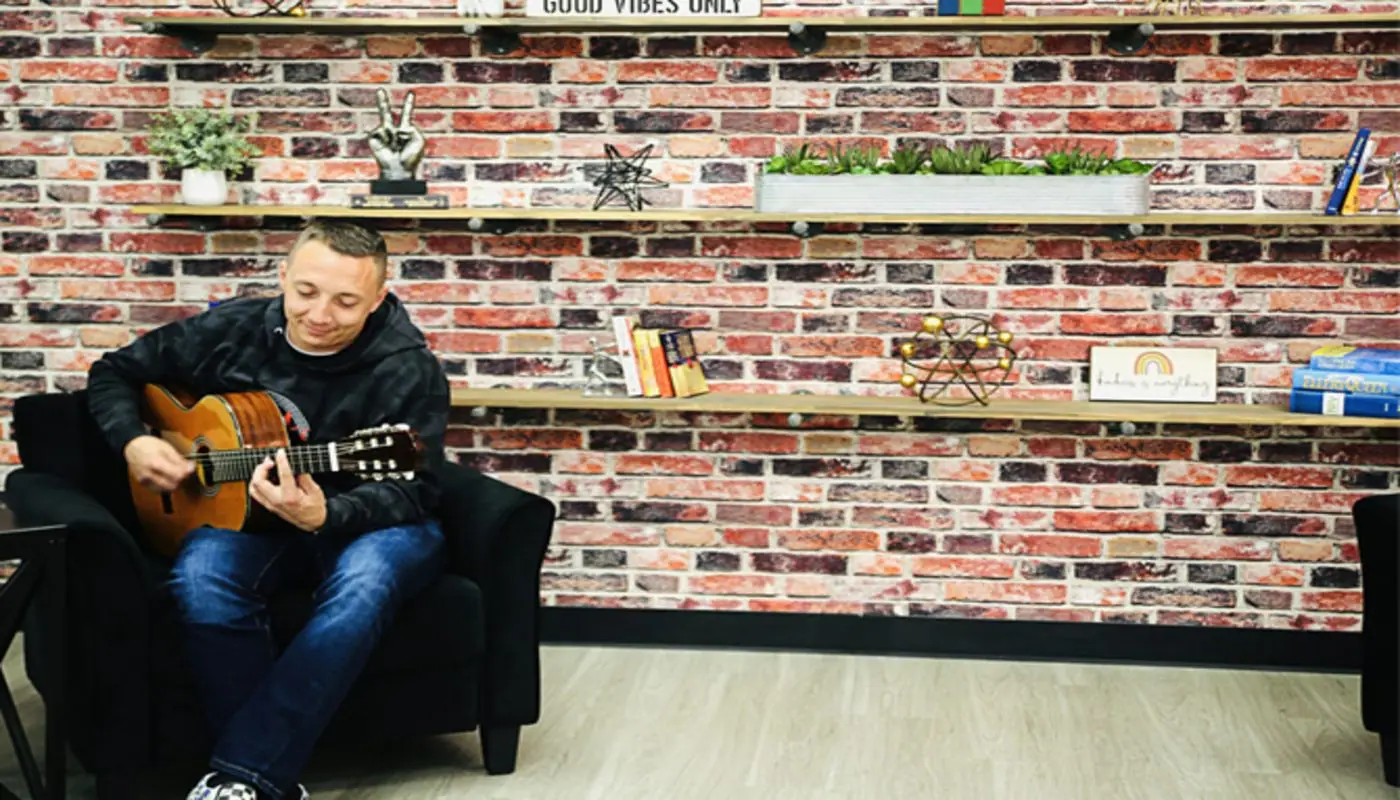

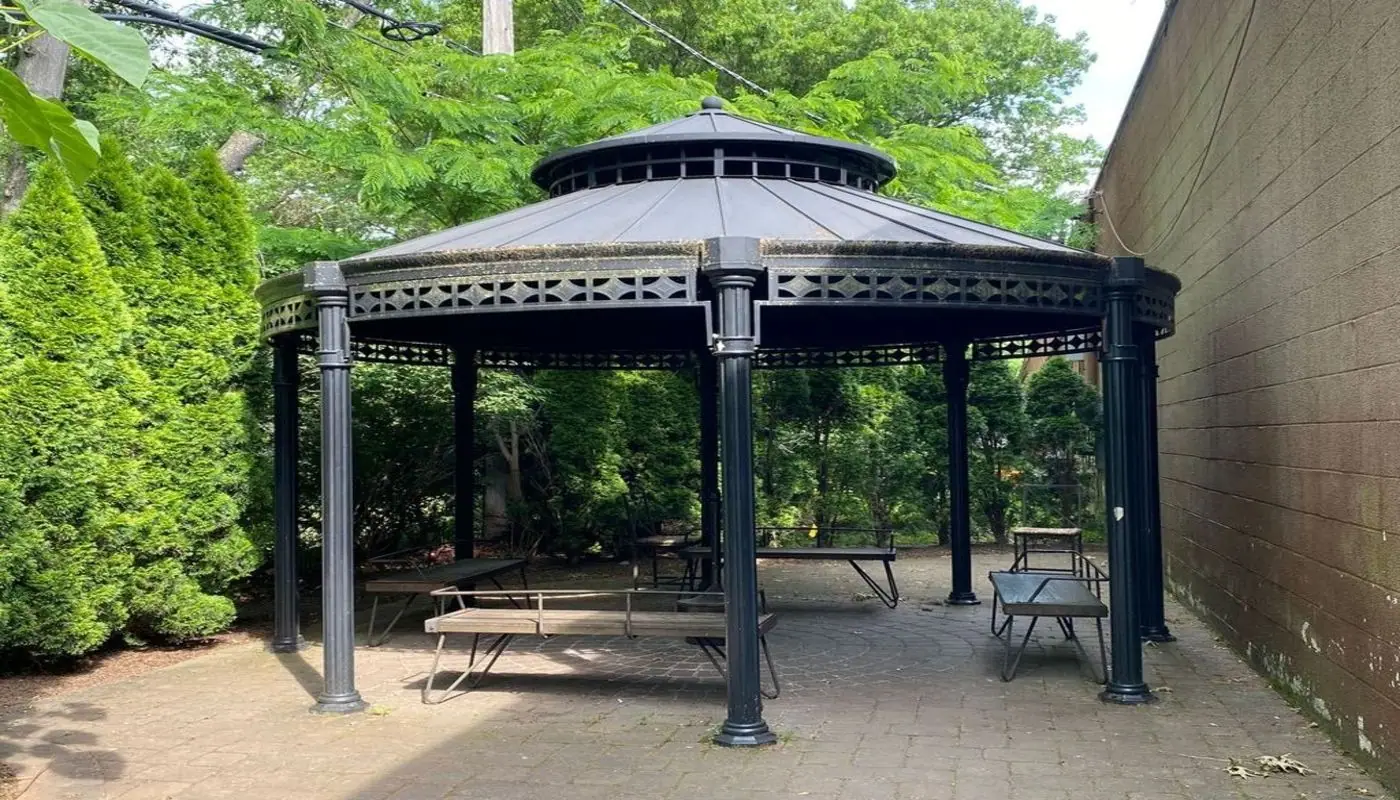
In Hamilton Township, Footprints to Recovery New Jersey operates an outpatient clinic serving adults with co-occurring mental health needs and substance use disorders. Instead of applying one template to everyone, staff members build an individual plan around each person's goals and circumstances. The center describes its culture as one of empathy and dignity, and states that its aim is helping people make lasting progress toward a life they steer themselves.
From a clinical standpoint, this site uses talk-based approaches including dialectical behavior therapy, motivational interviewing, and cognitive behavioral therapy. These help people see what keeps substance use going and practice healthier responses. Alongside counseling, the center offers complementary services that support physical and emotional steadiness throughout treatment.
Outpatient programs in Hamilton Township
Outpatient care at this Hamilton Township location is offered at three levels so people can keep working or caring for family while attending. Day treatment, which is also called partial hospitalization, runs four to six hours each weekday and combines one-on-one sessions, groups, experiential work, and education about addiction. Intensive outpatient care involves nine to fifteen hours per week. Standard outpatient care is generally about three hours, once or twice weekly.
The center lists evidence-based and holistic approaches, covering one-on-one counseling, group and family therapy, and psychoeducation among the core services. Acceptance and commitment therapy, cognitive behavioral therapy, art therapy, and equine therapy also appear on its list of offerings. Trauma-focused work and medication-assisted treatment are named specializations, and the program is described as non-12-step. If you are weighing whether a non-12-step format fits how you want to work on change, then ask during the intake call so expectations are clear before you start.
- Non 12 Step
- Group Therapy
- Acupuncture
- Cognitive Behavioral Therapy
- Psychoeducation
- Equine Therapy
- 1-on-1 Counseling
- Holistic
- Acceptance and Commitment Therapy (ACT)
- Family Therapy
Who these Hamilton programs are for
- Adults of any gender, with the center listing men and women separately
- People who identify as LGBTQ+
- Veterans
- People with mental health needs together with substance use
- People with trauma histories
- People using benzodiazepines, heroin, cocaine, prescription drugs, or other substances
Program length, setting, and language
The center is an outpatient facility on Quakerbridge Road in Hamilton Township and reports a typical program length of five days, so there are no residential beds and people return home or to sober living between sessions. Sessions are conducted in English. The organization states that it holds Joint Commission accreditation. If you are coming from elsewhere in Mercer County, then confirm the scheduling pattern before you commit, since outpatient care depends on how often you can attend. When a program is Joint Commission accredited, you can ask what that review covered, which is a fair question at any center.
Cost, insurance, and payment
The center does not publish plan names or prices, so coverage has to be checked directly before anyone commits to a start date. A phone call to the helpline is free stays confidential and asks nothing of you beyond the questions you want answered. An advisor can walk through your plan details with you and describe what the center reports about payment. If your insurer requires prior authorization for outpatient care, then that step has to happen before the first session so you are not surprised by a bill. When your plan turns out not to include this center, then the same call can point you toward other SAMHSA-listed New Jersey facilities, since there are 330 in the state listings.
Questions to ask before you start
- Which insurance plans does the center bill directly, and what does it tell people about self-pay?
- How is the five-day typical length applied to partial hospitalization versus intensive outpatient care?
- In what ways does the staff coordinate treatment for trauma and mental health needs alongside substance use?
- Across each level of care, what does a usual week involve, including hours and days?
- How does medication-assisted treatment fit with the non-12-step approach?
- What alumni events and get-togethers are offered after discharge?

Additional centers to weigh
-
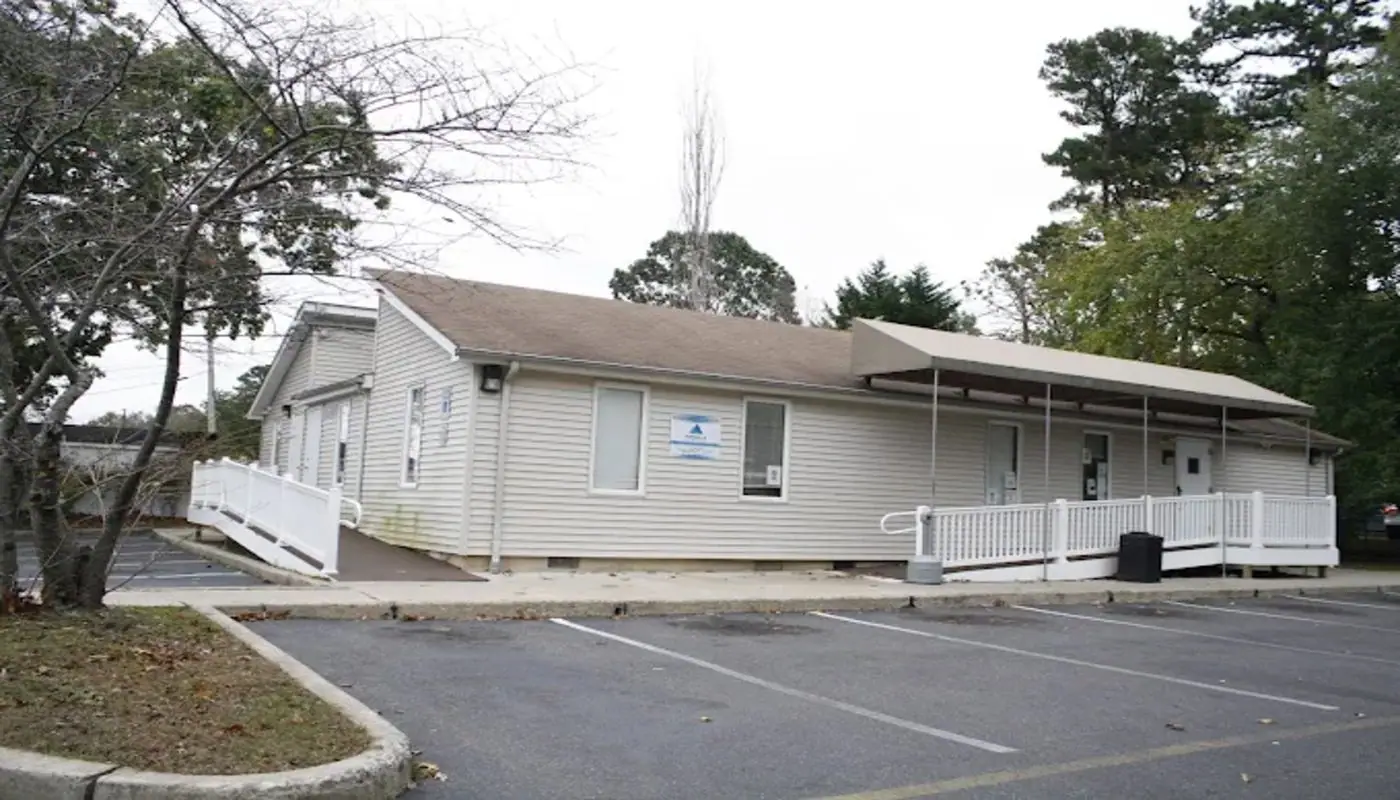
Toms RiverNJ
Ocean Medical Services
4.5/5Google reviews: 36
Typical stay 30 days
Ocean Medical Services is a treatment center in Toms River, New Jersey.
- Outpatient
- Detox
- Co-Occurring Mental Health
-
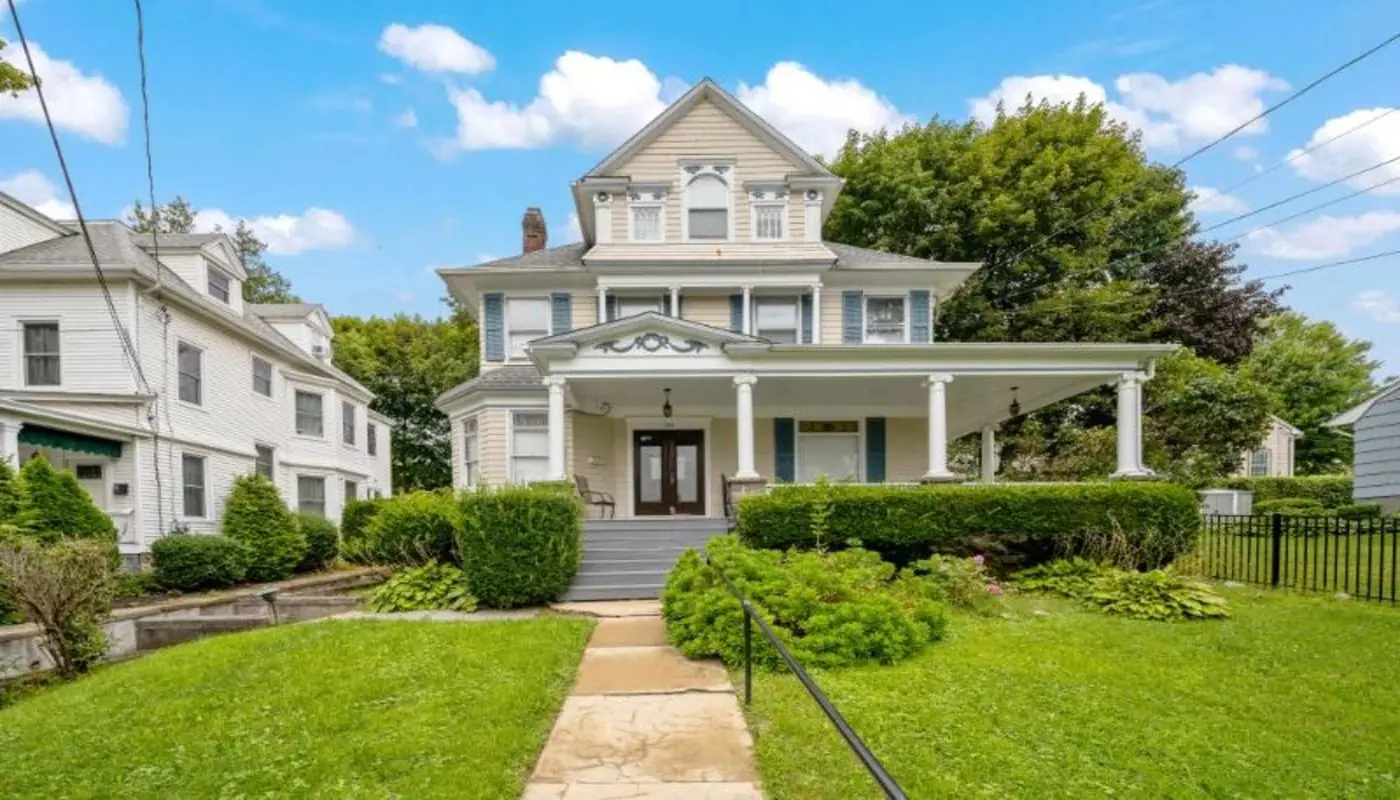
DoverNJ
Excel Treatment Center
4.8/5Google reviews: 95
Typical stay 30 days
Excel Treatment Center Dover offers outpatient care for mental health needs as well as substance use and substance use disorders.
- Outpatient
- Co-Occurring Mental Health
Joint Commission View center
-
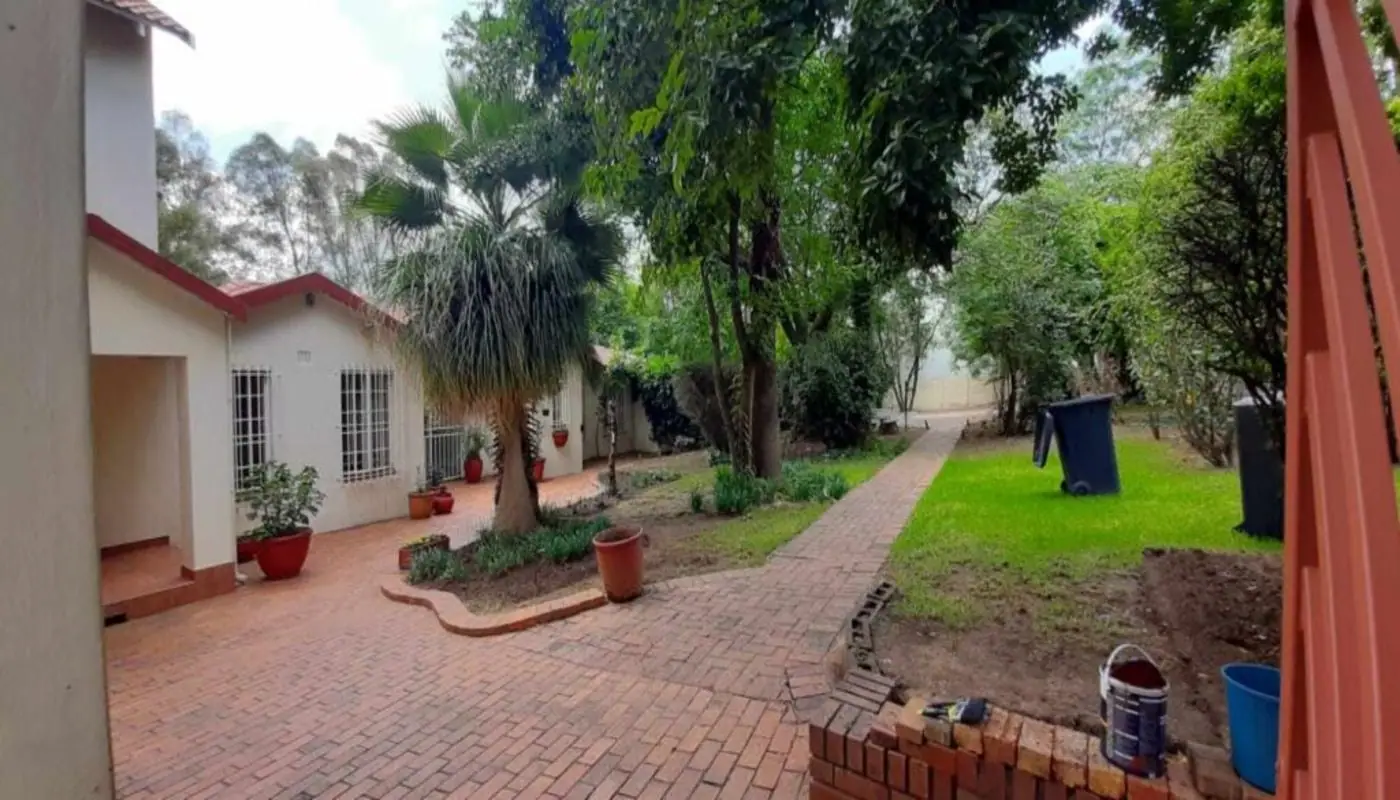
ClintonNJ
New Horizon Halfway House Ferndale
Typical stay 30 days
New Horizon Halfway House Ferndale Clinton offers a 30-day transitional living option.
-
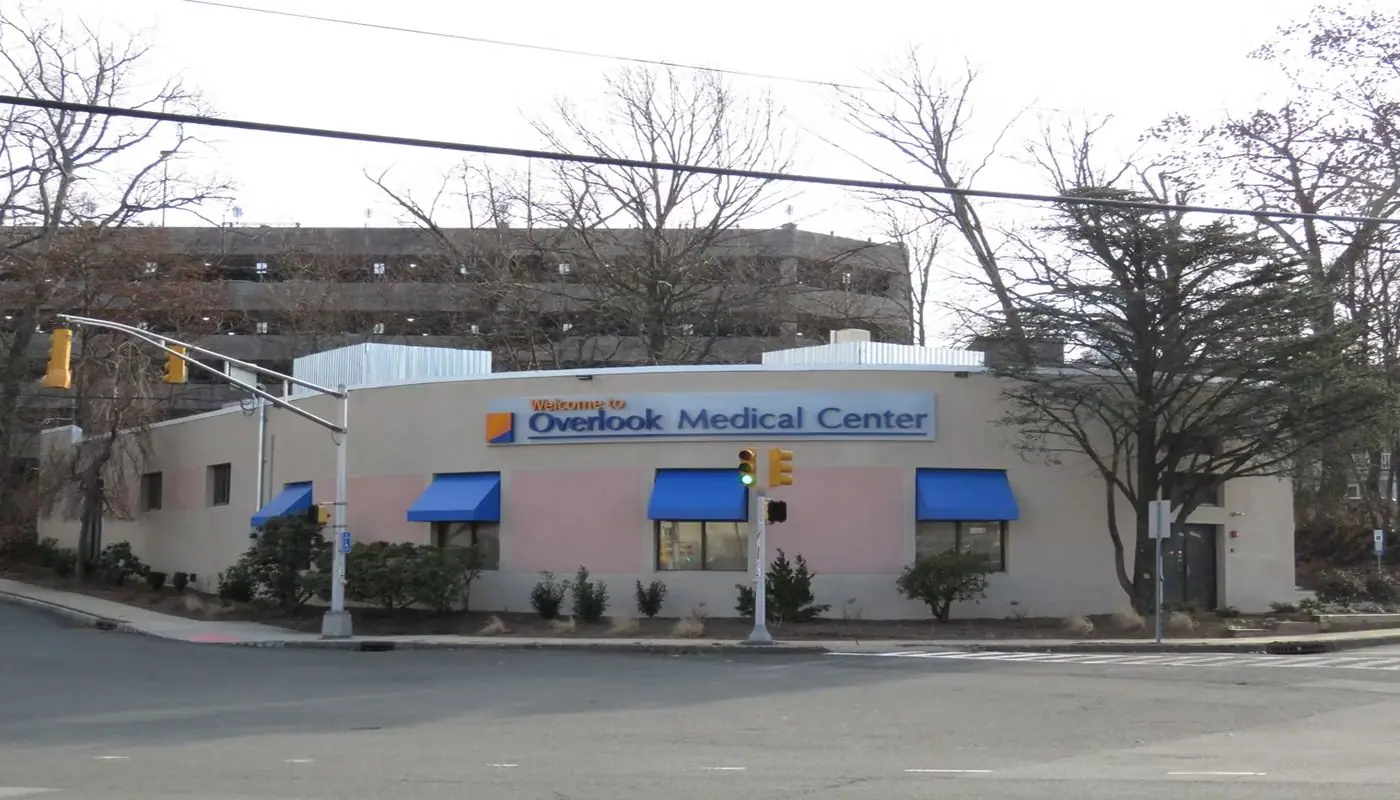
SummitNJ
Overlook Medical Center Outpatient
2.4/5Google reviews: 20
Typical stay 5 days
Overlook Medical Center Outpatient Services in Summit offers structured care for people who live at home.
- Outpatient
Joint Commission View center
-
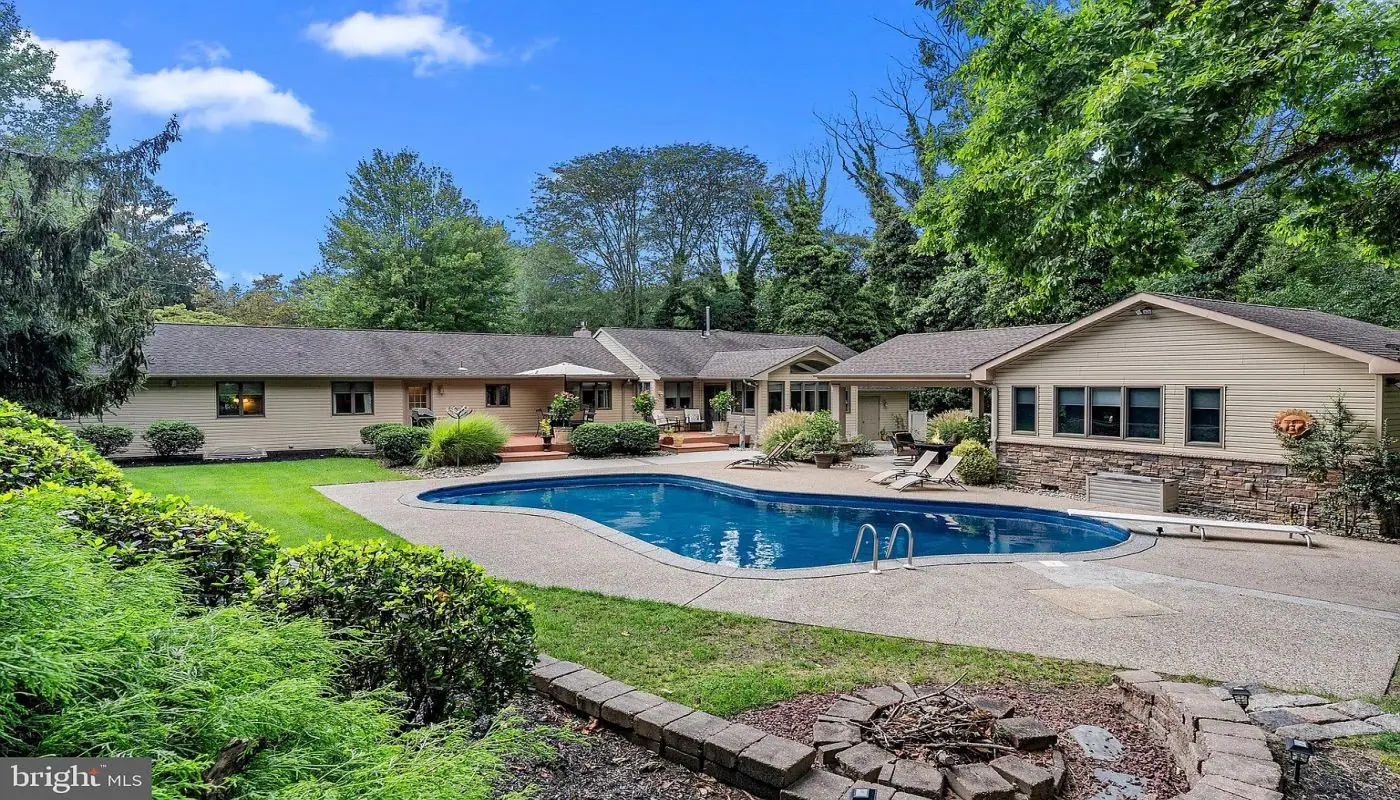
VoorheesNJ
New Jersey Sober Living
Typical stay 30+ days2-5 beds
New Jersey Sober Living Voorhees is a small sober living home for adults in recovery.
- Outpatient
- Sober Living
- Co-Occurring Mental Health
-
MountainsideNJ
The Recovery Team
5.0/5Google reviews: 88
Typical stay 30 days
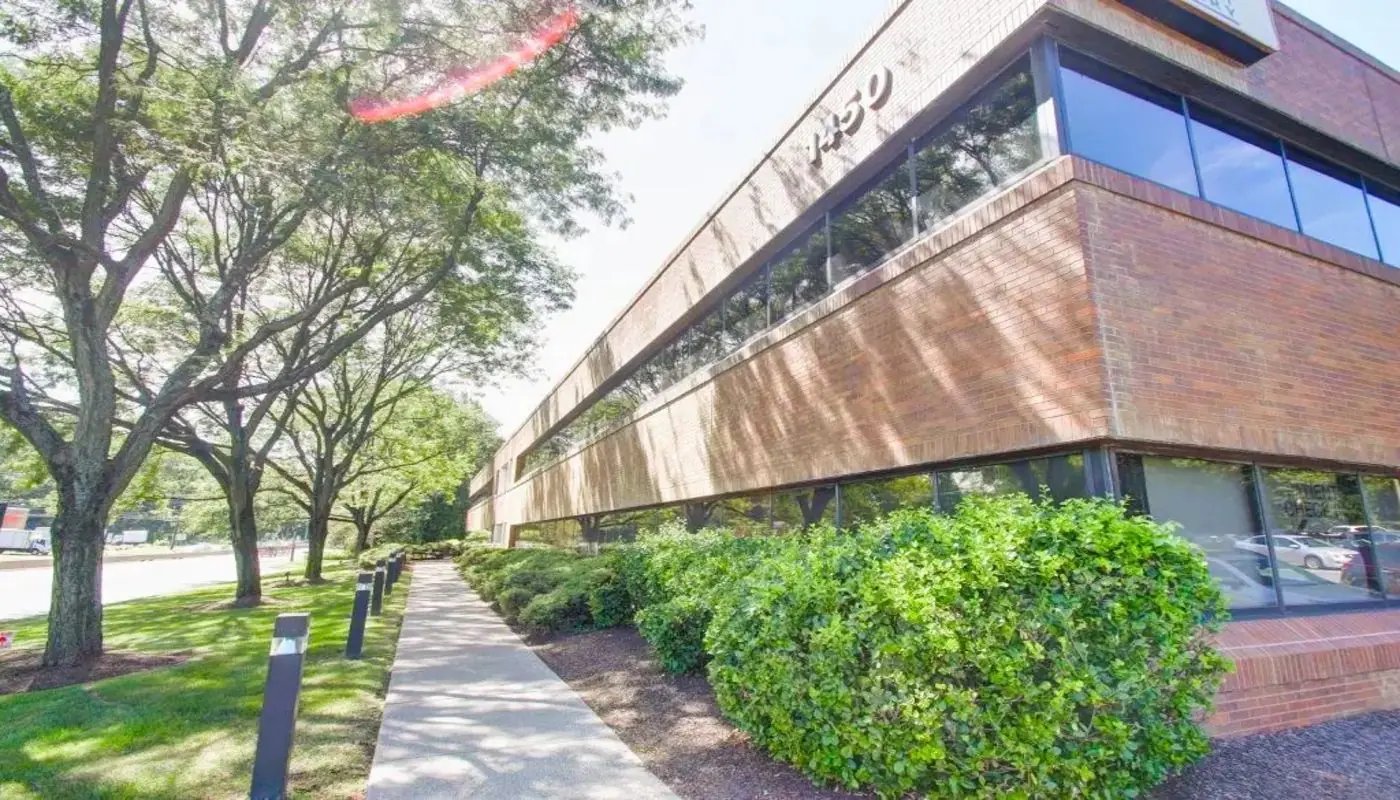
Located at 1450 US-22 in Mountainside, The Recovery Team Mountainside is a rehab in New Jersey.
- Outpatient
- Detox
- Co-Occurring Mental Health
Joint Commission View center
Common questions
What is footprints to recovery New Jersey hamilton township known for?
This outpatient center in Hamilton Township provides three levels of care: partial hospitalization, intensive outpatient, and standard outpatient. According to the organization, it holds Joint Commission accreditation and lists specializations in trauma-informed care, LGBTQ+ services, veteran services, and medication-assisted treatment. It is one of 330 New Jersey facilities listed by SAMHSA. Services are available in English.
What is the usual length of stay at this center?
The center reports a typical program length of five days, though the actual schedule depends on which level of care someone enters and how they progress. Partial hospitalization is the most intensive option, with four to six hours daily on weekdays. Outpatient care is the lightest. Ask the center to explain how the five-day figure applies to your situation.
Does this center take Medicaid or Medicare?
The available information does not list Medicaid or Medicare among accepted payment options, so coverage needs to be confirmed by phone. An advisor on the helpline can review your plan with you at no cost and with no commitment. If the center is not in network, the same call can help you find other SAMHSA-listed facilities in New Jersey.
What therapies does the Hamilton Township location offer?
The center lists group therapy, individual counseling, cognitive behavioral therapy, family therapy, art therapy, acceptance and commitment therapy, acupuncture, equine therapy, and psychoeducation. Medication-assisted treatment and trauma-informed care are named as specializations. The program is described as non-12-step and holistic alongside its evidence-based methods.
Is withdrawal handled at this center?
Because this is an outpatient site, it does not offer around-the-clock withdrawal care. Stopping alcohol or benzodiazepines can become medically dangerous, so a clinician should evaluate anyone before outpatient treatment starts. If you or someone you know uses benzodiazepines daily or drinks heavily, call the helpline and describe the situation so an advisor can direct you to the right level of care.